

Keyless entry lock requests come in around the clock in Utah, and the right call saves time and money. This guide covers keypad vs smart-app vs biometric keyless entry, battery life and lockout-proofing, installation cost, security tradeoffs vs traditional deadbolts — with 2026 pricing, Utah-specific context, and clear red flags to avoid.
Keyless Entry Locks: A Salt Lake City Homeowner’s Guide
Keyless entry locks are a smart upgrade for many Salt Lake City homes, but the best choice depends on how you live, how much control you want from your phone, and how much security you expect from the hardware. In Utah, a well-installed keypad, smart-app, or biometric lock can improve convenience without sacrificing safety if you choose the right model and installer.
What counts as a keyless entry lock?
Keyless entry locks let you unlock a door without a traditional key. The main residential options are:
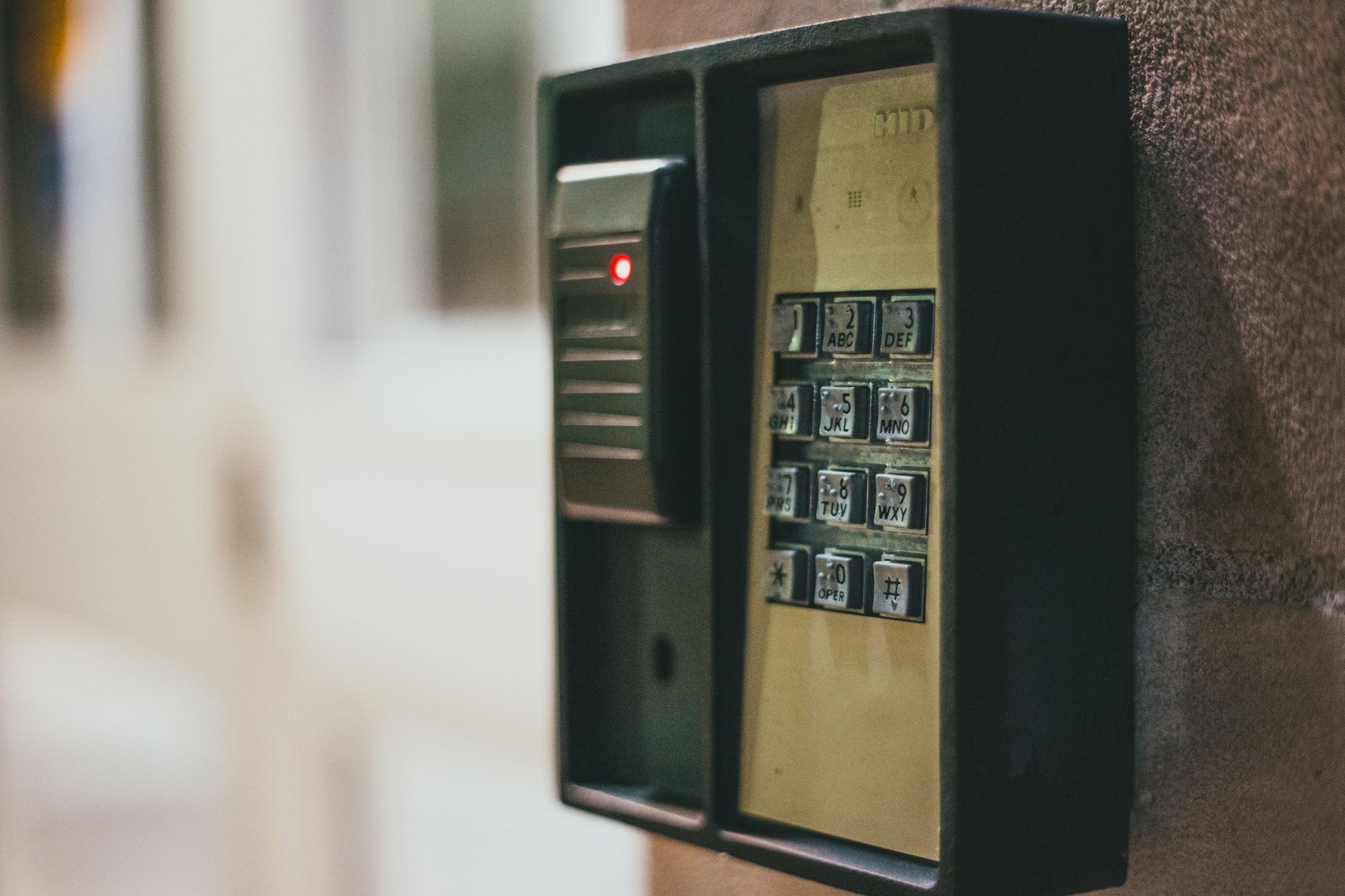
- Keypad locks: Enter a PIN code on the exterior keypad
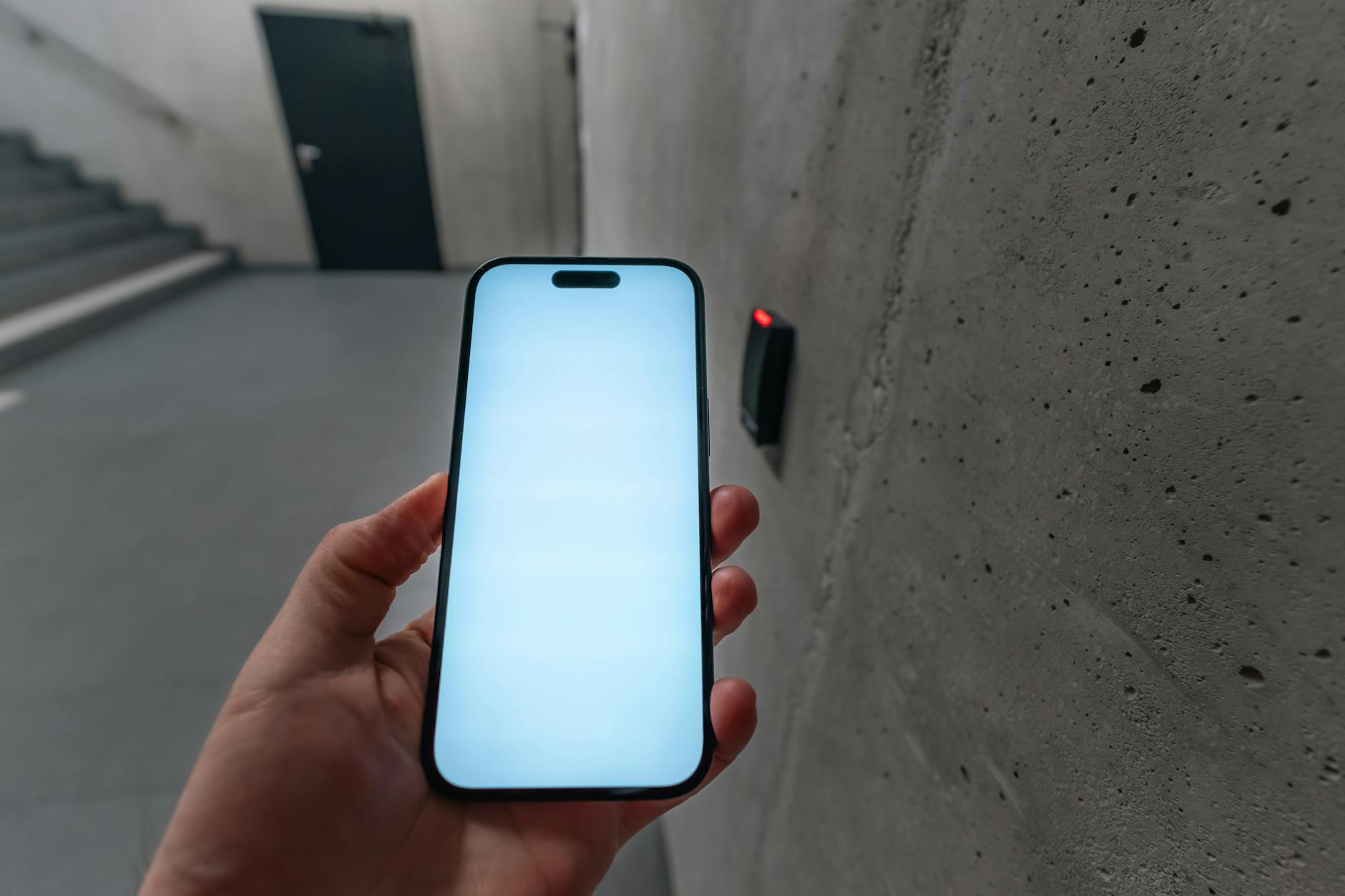
- Smart-app locks: Unlock with a phone app, Bluetooth, Wi-Fi, or both
- Biometric locks: Use a fingerprint or palm-style scanner for access
For Salt Lake City homeowners, the right option usually comes down to three questions: how many people need access, whether remote control matters, and whether you want the door to work during a power or battery failure.
Keypad vs. smart-app vs. biometric: what’s the difference?
Keypad locks
Keypad deadbolts are the simplest keyless option. They are popular because they are easy to use, easy to explain to guests, and usually cheaper than fully connected smart locks.
Best for:
- Rental homes and short-term guest access
- Families who want a backup code instead of sharing keys
- Homeowners who want low-maintenance convenience
Typical 2025-2026 pricing in Utah:
- Basic keypad deadbolt: $80-$180 for the lock
- Installed by a locksmith: $275-$425 total in many cases
Strengths:
- No app required
- Easy to change codes
- Generally fewer connectivity problems
Tradeoffs:
- Codes can be shared or guessed if not managed well
- Some models feel less premium than smart locks
- Still depends on battery power
Smart-app locks
Smart-app locks add remote control, activity logs, temporary access, and integration with other smart-home devices. These are the best fit if you want to check whether your front door is locked from work, the ski hill, or out of state.
Best for:
- Busy households
- Tech-forward homeowners
- People who want remote locking, alerts, and access logs
Typical 2025-2026 pricing:
- Mid-tier Bluetooth/Wi-Fi smart lock: $180-$300
- Better-featured smart lock: $250-$350
- Premium models: $300+
- Installed total: $300-$500 for many standard jobs
Strengths:
- Remote locking and unlocking
- Audit trail of entries
- Temporary guest access
- Smart-home compatibility
Tradeoffs:
- More setup complexity
- More battery drain on Wi-Fi-heavy models
- App and firmware issues can cause frustration
- Some models depend on hub or bridge hardware
Biometric locks
Biometric locks use fingerprints or other body-based identifiers. They are fast and convenient, especially for homeowners who hate entering codes or carrying keys.
Best for:
- Primary residences with frequent use
- Families with kids who forget codes
- Homeowners who want a fast entry method
Typical 2025-2026 pricing:
- Fingerprint-capable lock: $180-$350
- Premium biometric lock or handle set: $400-$650
- Installed total: often $400-$650 depending on door prep and hardware
Strengths:
- Fast entry
- No code to remember
- Harder to “share” than a PIN
Tradeoffs:
- Sensor quality varies a lot
- Wet, cold, dirty, or damaged fingers can reduce reliability
- Usually pricier than keypad-only models
- Battery drain can be higher on feature-rich units
Battery life and lockout-proofing
Battery life is one of the biggest practical differences between lock types. Many modern smart locks are efficient, but battery life still varies widely by design. Some models last 4-6 months, while others can reach 8-12+ months depending on usage and architecture.
What affects battery life?
- Wi-Fi use drains batteries faster than keypad-only operation
- Frequent remote checking or alerts uses more power
- Fingerprint readers and motors can increase draw
- Cold Utah winters can shorten battery performance
- Heavy traffic doors, like a busy front entry, use more cycles
How to avoid getting locked out
A good lockout-proof setup should include:
- A physical key backup or hidden mechanical override
- Low-battery alerts on the keypad or app
- Fresh batteries replaced on a schedule, not after failure
- A backup code held by a trusted adult
- A charger or emergency power option if the model supports it
Practical battery tips for Salt Lake City homes
- Replace batteries every 6-12 months, even if the lock still works
- Use high-quality lithium batteries for better cold-weather performance
- Test the backup entry method before winter
- Keep at least one spare code for a trusted household member
A lock should never be treated as “maintenance-free.” For Utah homes, especially in colder areas like Salt Lake City, Murray, Sandy, West Jordan, and Bountiful, battery planning matters more than most buyers expect.
Security tradeoffs vs. traditional deadbolts
A keyless lock is not automatically more secure than a strong traditional deadbolt. The lock is only one part of the security chain.
Where keyless locks can be stronger
- You can change codes without rekeying
- Guest access can be temporary
- Activity logs help identify who entered and when
- Many models auto-lock, reducing the risk of leaving the door unlocked
Where traditional deadbolts still win
- Simplicity
- No battery dependence
- Fewer electronics to fail
- Often less vulnerable to app or firmware problems
What to watch for
- Weak PINs, like birthdays or repeated numbers
- Cheap locks with flimsy housings
- Poor installation with loose strike plates
- Wi-Fi models with weak account security
- Biometric systems that are convenient but not always consistent
For many homes, the best answer is a high-quality keyless deadbolt on a properly reinforced door. A smart lock on a weak frame is not a serious security upgrade.
Installation cost in Utah
In the 2025-2026 market, Salt Lake City homeowners can expect these rough installed price ranges:
- Basic keypad deadbolt: $275-$425
- Mid-tier Bluetooth/Wi-Fi smart lock: $300-$500
- Premium biometric lock: $400-$650
- Smart lock with integrated doorbell/video features: $700-$1,100
If the door needs drilling, reboring, latch adjustment, strike reinforcement, or hardware replacement, expect the price to move upward.
What affects the final bill?
- New installation vs. replacement
- Door material and condition
- Whether the existing deadbolt hole fits the new lock
- Need for smart-home setup
- Emergency or after-hours service
- Travel distance in the SLC metro area
Mobile-arrival expectations in Salt Lake City
For a mobile locksmith serving the Salt Lake City metro, a realistic arrival window is usually 20-45 minutes depending on traffic, weather, and where the technician is coming from.
That expectation generally fits calls in:
- Salt Lake City
- South Salt Lake
- West Valley City
- Sandy
- Draper
- Murray
- Millcreek
- Taylorsville
- Cottonwood Heights
- Midvale
During peak traffic, snow events, or evenings, arrival may run longer. A professional locksmith should give a clear ETA and update you if conditions change.
When to call a pro vs. DIY
DIY makes sense when:
- You are replacing a like-for-like deadbolt
- The door already fits standard hardware
- The lock is a straightforward keypad model
- You are comfortable reading installation instructions
- You only need basic code setup
Call a pro when:
- The door has alignment issues
- The strike plate needs reinforcement
- You are upgrading to a smart lock with app setup and calibration
- The lock is biometric or premium electronic hardware
- You want the installation done cleanly on the first visit
- The old lock is damaged or the door is sticking
- You need immediate help after a lockout
A DIY install can save money, but a bad install can create failures, weak latch engagement, or false security. For many homeowners, the best value is professional installation on the front door and DIY on less critical interior or secondary doors.
How to vet a licensed and insured locksmith in Utah
Utah does not require a state locksmith license, so homeowners need to do a little extra homework when hiring. That makes verification more important, not less.
What to check
- Proof of general liability insurance
- Business name that matches invoices and branding
- Local reputation and verified reviews
- Clear written estimate before work begins
- Technician identification on arrival
- Whether the company serves your exact area, such as Salt Lake City, Ogden, Provo, Sandy, or West Jordan
- Whether they can explain the lock model, warranty, and installation method
Good questions to ask
- Are you insured?
- Do you provide a written estimate?
- Do you handle both mechanical and smart lock installation?
- What is your ETA to my neighborhood?
- Will you verify door fit before drilling?
- What warranty do you provide on labor?
Red flags
- No business name or no receipt
- Refusal to discuss insurance
- Vague pricing or suspiciously low quotes
- Pressure to replace more hardware than necessary
- No clear arrival time
- Cash-only demands before work starts
A trustworthy locksmith should sound precise, not evasive.
Best choice by homeowner type
- Budget-conscious homeowner: Keypad deadbolt
- Busy family: Smart-app lock with backup codes
- Tech-heavy household: Wi-Fi smart lock with app control
- High-convenience user: Biometric lock
- Security-first homeowner: Reinforced deadbolt paired with a quality keyless lock
Bottom line
For most Salt Lake City homes, a good keyless entry lock is worth it if you want convenience, better access control, and easier guest management. The smartest buy is usually a mid-range keypad or smart-app lock with solid battery life, a backup entry method, and professional installation if the door needs any fitting or reinforcement.
If you live in Salt Lake City, Murray, Sandy, West Jordan, Draper, or Bountiful, expect a mobile locksmith arrival window of 20-45 minutes and budget $275-$500 for a typical installed keyless setup. For biometric or premium smart systems, plan for higher costs and more careful installation.
If you want, this can be turned into a polished blog post with a local SEO title tag, meta description, FAQ section, and call-to-action for a Utah locksmith company.
Related SOS Mobile Locksmith services: home lockout · car lockout · lock rekey · car key replacement · ignition replacement · safe opening · 24/7 emergency locksmith.
Need a Locksmith Now?
SOS Mobile Locksmith dispatches 24/7 across Salt Lake County and 30+ Utah cities. Typical arrival: 20–35 minutes.
References: ALOA: How to find a reputable locksmith · FTC: How to avoid locksmith scams.
Frequently Asked Questions
How much does keyless entry lock typically cost in Utah?
Keyless entry lock in Utah usually runs $65–$185 per call: $19–$39 service fee plus $45–$150+ by job type. Specialty work (smart key programming, high-security locks, safe opening) runs higher.
Is keyless entry lock available 24/7?
Yes. SOS Mobile Locksmith answers keyless entry lock calls 24/7 and dispatches technicians overnight across Salt Lake County and 30 Utah cities. Overnight/weekend surcharges are small and confirmed by phone.
How fast does keyless entry lock respond in Utah?
Typical keyless entry lock arrival is 20–35 minutes in Salt Lake City proper. Davis and Utah County suburbs average 30–45 minutes. Park City and Tooele may take longer due to distance.
Should I DIY or call a pro for keyless entry lock?
DIY is fine for low-risk tasks (replacing batteries, lubricating a stiff cylinder). Call a pro for broken keys, bypass tools, programming, and anything where damage could cost $100+ to fix.
How do I choose a licensed locksmith for keyless entry lock?
Look for: a Utah Division of Corporations registration, branded vehicle, insurance coverage, transparent upfront quote, printed invoice with business license number, and active Google reviews tied to a local SLC/Utah address.

